
In the late 1980s, psychologist Francine Shapiro observed that certain left–right eye movements appeared to reduce emotional distress — an observation that became the foundation of EMDR (Eye Movement Desensitization and Reprocessing).
From the beginning, bilateral stimulation required an external rhythm. Under stress, people cannot reliably guide their own eye movements.
The rise of BLS devices and tools
As EMDR spread, many different ways of delivering that rhythm emerged — across not only visual but also auditory and haptic modalities:




Several approaches are especially common today:
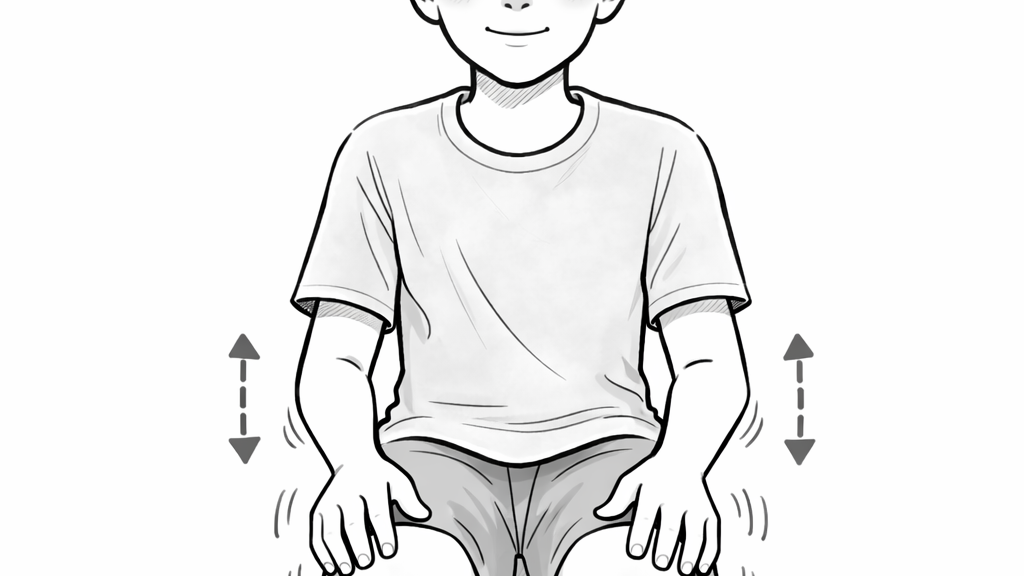
The butterfly hug: In mass-trauma and self-help contexts, people are often taught simple tapping techniques such as the “butterfly hug” or knee tapping. These methods are portable, discreet, and can be used in public.
Music-based bilateral stimulation: Alternating left-right soundtracks later became widespread. Thousands of bilateral tracks are now available on streaming platforms like Spotify. They are free and simple to use and require no additional hardware beyond a smartphone and headphones.
Visual stimulation on YouTube: There are numerous BLS videos on YouTube, typically featuring a moving dot or light. They are free and simple to use with a desktop or laptop screen.
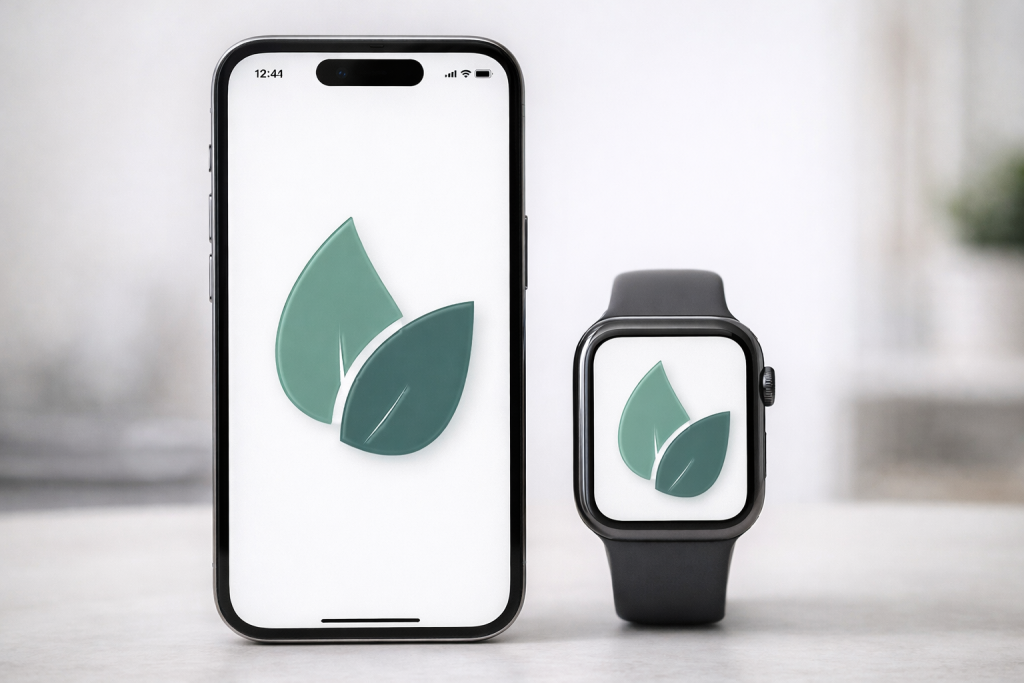
McGyver solutions: A particularly inventive set of solutions combines existing consumer devices — for example, the EMDR Tapper app pairs an iPhone with an Apple Watch to deliver audio and tactile input together.
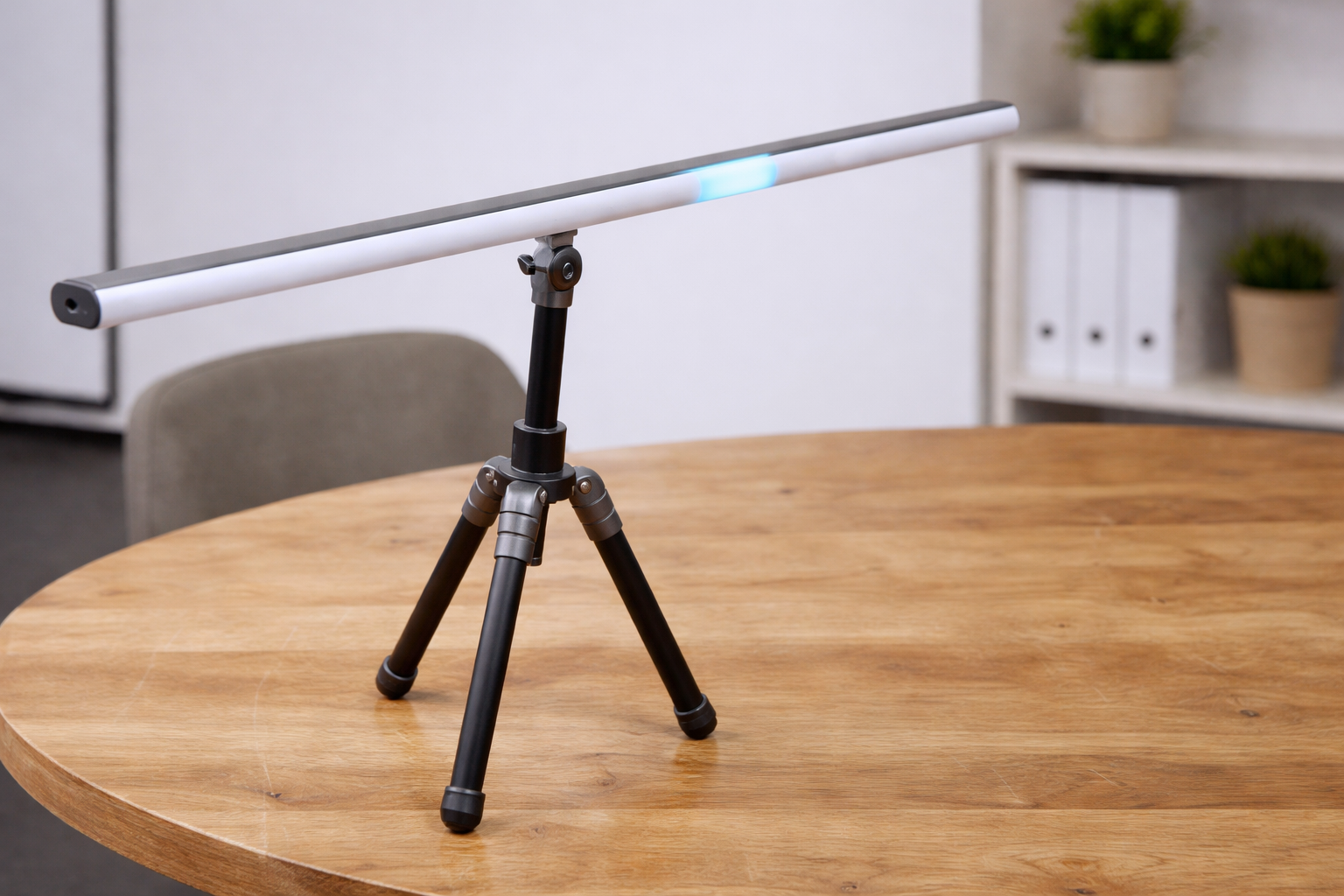
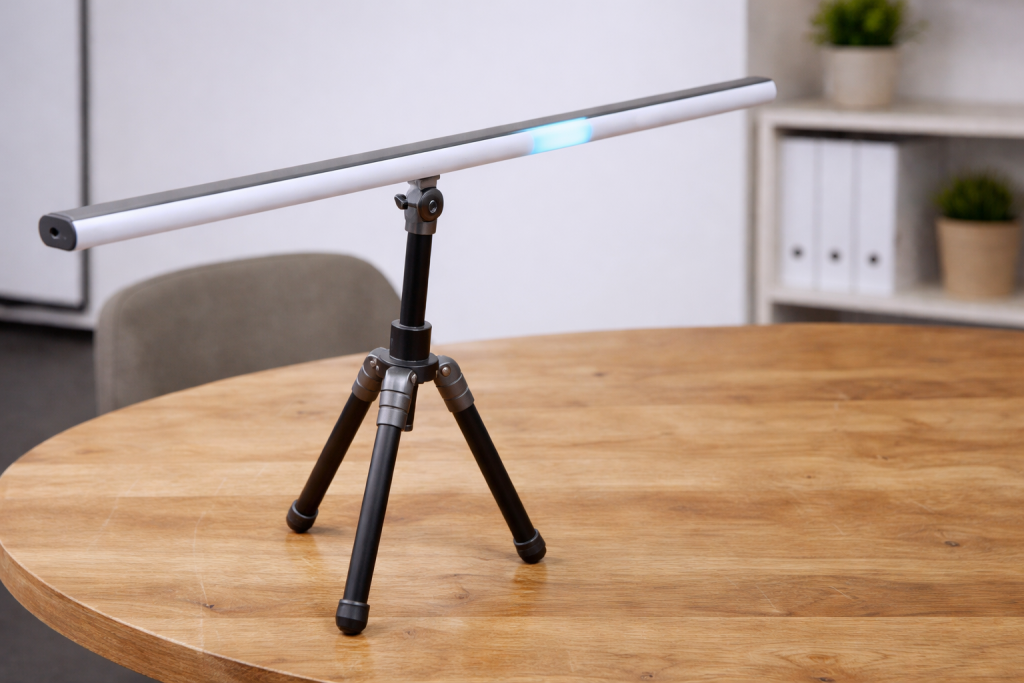
EMDR Lightbars: Dedicated light bar devices deliver visual input through a moving digital light. They are specifically designed for EMDR therapists.
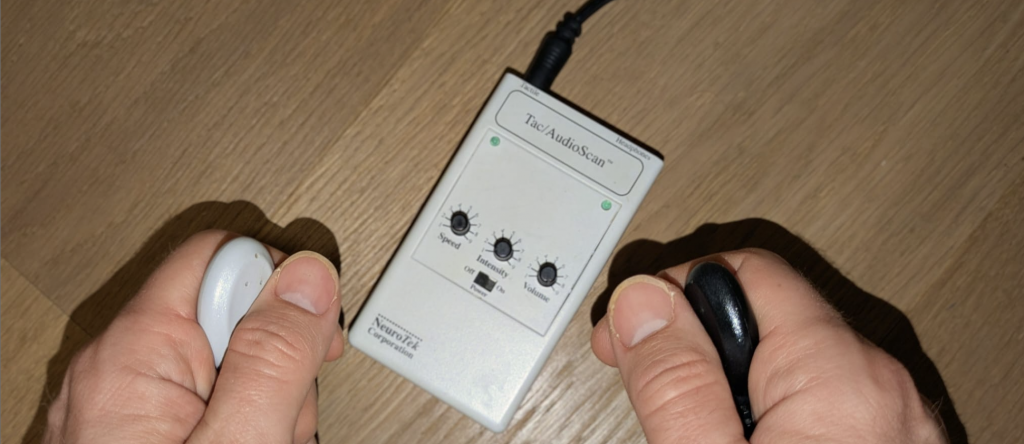
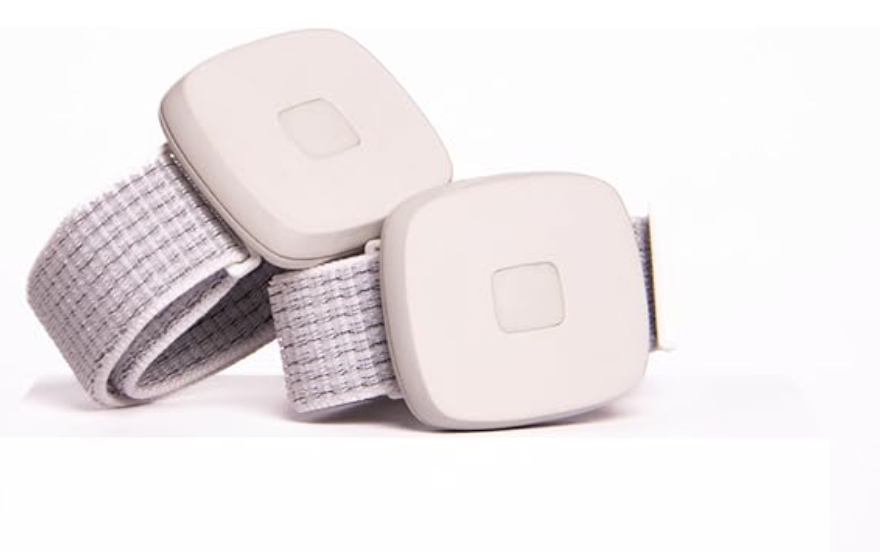
Tactile buzzers: Vibrating handheld buzzers, such as the Theratapper or EMDR Kit buzzers, are widely used in the therapy room. They primarily deliver tactile stimulation (though a headphone jack exists) and are compact and purpose built for EMDR therapists.
Limitations
Each of these approaches has made bilateral stimulation more accessible to both therapists and clients, and countless people have benefited. At the same time, structural constraints remain.
Cable and battery issues for tactile devices: Devices such as the common handheld Theratapper rely on 9V batteries that need frequent replacement. A two-meter cable runs from the therapist’s control unit to the client’s buzzers, and it tends to get tangled up (though EMDR Kit offers a wireless version now). The cables tend to wear out which can cause intermittent failures mid-session that are frustrating to both therapist and client. The Theratapper is not available for solo at-home use.
Accessible visual stimulation remains awkward: For YouTube-based stimulation, while accessible outside the therapy room, a smartphone screen is too small. On a laptop screen users need to sit unusually close for the movement to span a sufficient visual angle, which can feel awkward, so it works best on a large external monitor.
Dedicated visual BLS hardware is relatively expensive and only available in-office. Dedicated therapist hardware for visual BLS starts at $375 (or $500 when including dedicated tactile and audio hardware). The device is installed in the therapist’s office, so remote EMDR via video conference is not possible.
Multi-channel stimulation might be beneficial when using BLS for relaxation, but is not available for at-home use Working memory research suggests that BLS engages attention. In trauma-focused EMDR, the goal is to maintain dual attention on both the stimulus and their distress — too much focus on the stimulus would cause the client to lose their dual attention, hindering processing. However, when using BLS not for trauma processing but for relaxation, the goal shifts: Not being able to hold on to the distressing memory or emotion is precisely the point. Engaging working memory more via multi-channel stimulation could thus work better for relaxation by interrupting rumination/arousal pathways. Whether this produces a faster or deeper relaxation response remains an open empirical question.
Limited customization In clinical EMDR practice, some therapists would prefer to tailor which modality they use based on client response, preference, or tolerance. Some clients respond better to tactile input, others like visual or auditory stimulation. For the above reasons however, it’s often not possible for a therapist to easily switch between modalities. And options beyond speed adjustment are barely existent (EMDR Kit is one notable exception – offering at least limited customization via a companion app).
Niche solutions have limited accessibility The EMDR Tapper app for iPhone is made for at-home use, and it is praised by reviewers. It does require users to own an iPhone and an Apple Watch though. And because it is not really made for this use case, users report that the Watch goes to sleep during use.
Self-tapping techniques are wonderfully flexible and portable but rely entirely on the user to maintain rhythm and intensity.
Virtual Reality as a new delivery format?
Virtual Reality introduces a different design space for delivering bilateral stimulation.
Because a VR headset combines display, spatial audio, and haptic controllers in a single device, it can deliver visual, auditory, and tactile stimulation together.
VR also makes it possible to combine bilateral stimulation with resourcing — a stabilization technique commonly used in therapy: Instead of imagining a calming place, users can immerse themselves inside one.
Because Virtual Reality experiences are built on software apps, parameters beyond speed can be configured within an app. This includes visual style (anything from a small moving dot to a large form of your choice covering your vertical field of view), the extent of the lateral movement (to make eye movement comfortable for each person), and the design of the calming place.
And lastly, VR platforms allow therapist and client to share a virtual space in real time. This is called co-presence. Co-presence creates new possibilities for remote interaction, including the potential for eventual multi-modal remote EMDR sessions between therapist and client.
Projects such as Waven are exploring how immersive technology might expand the design space of bilateral stimulation.